

Rape is very bad, but murder is almost always much worse. This is common sense: Where there’s life, there’s hope. While rape may scar you for life, the cold, happy truth is that rape victims normally recover from the trauma by the grace of hedonic adaptation. The average human really is resilient — so you probably are, too.
Not convinced that murder is much worse than rape? In economic terms, just ask yourself: If you could either be raped for sure, or murdered with probability X, what probability leaves you indifferent? 10%? 3%? .7%?
Too close to home? Then ask the same probability question for anyone you care about. You can and should tell a victim of rape, “This horror does not define you.” You can’t say the same to a victim of murder.
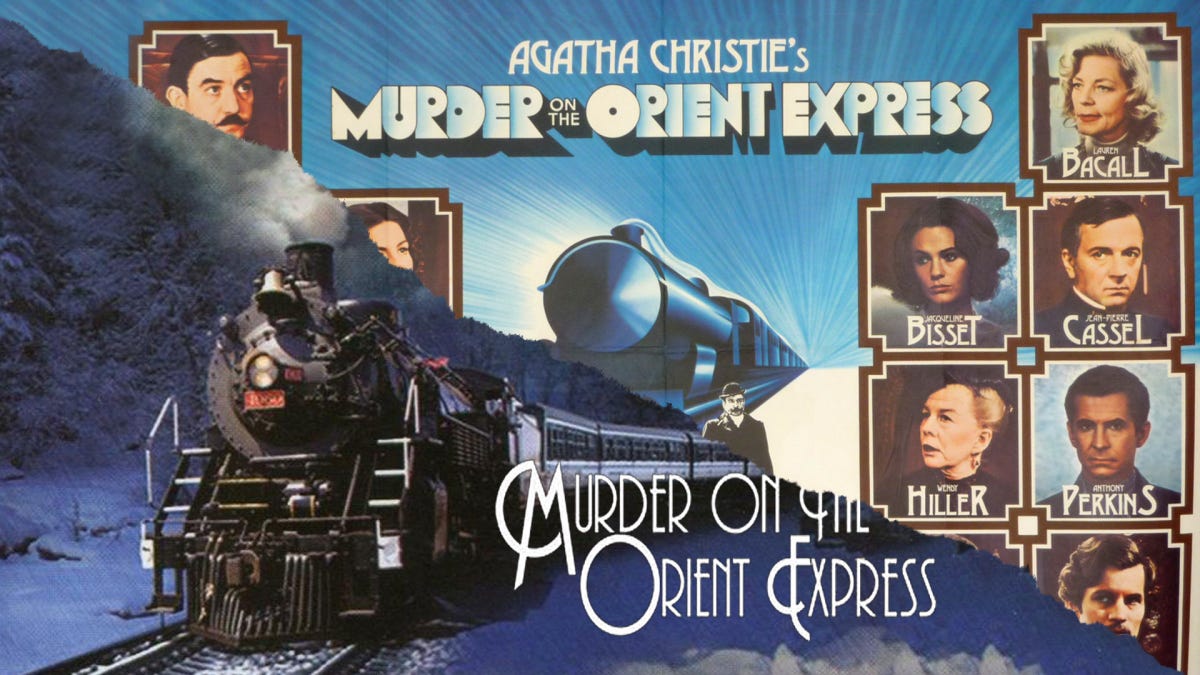
Does anyone think otherwise? Yes. In fact, most people think so, or at least feel so. Consider: Off the record, professors of criminal law routinely confess that they are far more uncomfortable talking about rape than talking about murder. Why? Because rape is a far touchier topic for their students. “Murder mystery” is a beloved genre of fiction. “Rape mystery,” in contrast, is not a genre at all. People who find murder fascinating may seem a little odd, but people who find rape fascinating are terrifying. Indeed, under the right circumstances a likeable person will publicly confess to murder (“Yes, he robbed my aged mother, so I killed him!”), but no likeable person ever publicly confesses to rape.
Although I’ve been dimly aware of all these facts for years, it was the reaction to the 2023 Hamas terrorist attack that brought the facts into focus. As you know, Hamas murdered about 1,200 people in Israel on October 7, 2023 — and they never denied it. Indeed, they were proud of themselves.
During the same attack, Hamas terrorists also clearly raped some women. But Hamas vociferously denies such accusations. Wikipedia:
Hamas officials, including Basem Naim, denied the use of sexual violence as a weapon of war, citing Islamic principles that forbid any sexual relationship outside of marriage. Hamas accused Western media of bias and said the reports of sexual violence demonized "Palestinian resistance". They also demanded that The New York Times apologize following a report on the matter.
International investigations of the Hamas rapes have received massive global publicity. The United Nations spent about six months investigating the issue, then cautiously declared, “There are reasonable grounds to believe that conflict-related sexual violence — including rape and gang-rape — occurred across multiple locations of Israel and the Gaza periphery during the attacks on 7 October 2023.”
When proud mass murderers are accused of rape, you have to be careful not to sully their good names!
Not convinced? Imagine Hamas murdered 1,220 people, but scrupulously avoided any sexual violence. International revulsion at Hamas would be noticeably less, even though their behavior would have been objectively worse.
How can we begin to understand this Kafkaesque situation? By remembering that contrary to feminists, human beings have a deep pro-female bias. Both men and women care more about female well-being, and especially female suffering. Women are wonderful, but men are disposable. Since the stereotypical victim of murder is male and the stereotypical victim of rape is female, humans’ emotional reaction to rape is more negative than our reaction to murder, even though rationally speaking, murder is definitely much worse than rape. (Yes, I am well-aware that many men are raped in prison, but when humans hear about rape, the victim they picture is almost always female).
“Doesn’t pro-female bias serve the useful social function of protecting women?” What a question-begging question! If female well-being and suffering were actually more morally important than male well-being and suffering, then pro-female bias would be socially functional. Otherwise, however, pro-female bias leads to misallocation of sympathy — away from men who need help more, and toward women who need help less.
P.S. I’m well-aware that hypersensitive and incurious readers are likely to willfully misinterpret everything I’ve written here. But I do not apologize for politely saying true things. Except under extreme duress.
I think it is because murder can be arguably justified. Self-defence, or protecting others. If you believe Israel is unfairly oppressing Palestine, and you also believe armed conflict could lead to better conditions for Palestinians, Hamas murdering Israelis would be a good thing under many different moral systems. But there are virtually no moral systems in which the rape is justified- it is just adding significant suffering for no strategic goal.
Rape Mystery kind of is a really popular genre though, right? Like, isn’t that basically what Law and Order SVU is?