

The United Arab Emirates, famous for the futurist city of Dubai, has the world’s best immigration policies. Instead of viewing migrants as a threat or a burden, they welcome them to work. They don’t just welcome petroleum engineers and investment bankers; they welcome nannies, janitors, construction workers, and drivers. Almost 90% of the UAE’s population is foreign-born.
The results speak for themselves: Migrant labor gives native Emiratis an absolutely high standard of living, and Emirati jobs give even the humblest migrants a high standard of living relative to what they would have had in their countries of birth. Despite scary stories about stolen passports and abuse, the UAE is the global land of opportunity. Millions of migrants know this from first-hand experience. Far more know it by reputation, which is why so many people around the world are trying to figure out how they, too, can get a job in the UAE.
When Americans initially hear the facts about the Emirates, most are incredulous. How can anywhere be 88% foreign-born yet remain a country? Isn’t “guest worker” just a euphemism for “slave”? But once you see the UAE with your own eyes, it’s hard not to scoff at these naive complaints. The UAE is totally a country, and no one buys plane tickets to become a slave.
After Americans spend time in the UAE, their most sensible remaining critique is simply: “This immigration system works fine over in the Middle East. Maybe better than fine. But the American people would never tolerate the extreme inequality.” The well-informed will add: “It’s not just the huge gap between rich and poor. In the UAE, the lavish government benefits are almost exclusively for citizens, and becoming a citizen is almost impossible. Efficient, yes. But the American conscience couldn’t stomach it.”
But are Americans really such egalitarian pearl clutchers?
This December, I passed up a chance to visit Dubai and took a cruise to the Bahamas instead. I’ve previously described the UAE as “a cruise ship the size of a country.” But while I was on the cruise, I couldn’t help but notice that the inequality between passengers and cruise workers grossly exceeds the inequality between citizens and foreigners in the UAE.
On a cruise ship, the workers live below the water line. They only see the sun when they’re doing their jobs. When their shifts end, they return to their subterranean lairs. With rare exceptions, they work seven days a week. There’s an extreme class system: Every cruise worker has to suck up to every passenger. In the Emirates, in contrast, workers see the sun every day, and only have to suck up to their immediate customers.
To be clear, I’m not bashing the cruise industry. Like the UAE, cruise lines provide relatively great economic opportunities for ambitious people all over the world. My point, rather, is that whatever Americans might find objectionable about the UAE is massively worse on a cruise ship.
And yet… if you take a cruise, the extreme inequality between passengers and workers doesn’t seem to bother Americans at all. On a cruise ship, foreigners wait on Americans hand and foot. They serve their meals, bring their drinks, and pick up their dirty clothes, all with earnest deference. On the obligatory lobster-and-baked-Alaska night, the waitstaff literally capers. A cruise is like a LARP where the passengers play 18th-century nobles and the crew plays their fawning serfs.
And Americans plainly love it.
Good social scientists could object that cruise passengers are self-selected. True, but there’s no sign that they’re self-selected for “tolerance of inequality.” Cruise passengers are quintessentially American. They stuff their faces, drink all day, and love Neil Diamond. They lean Republican. There’s almost no high culture, and zero wokeness. If you randomly handed out cruise tickets, almost the only Americans who wouldn’t have a good time are elite snobs.
In the abstract, no doubt, most Americans would probably be repelled by the extreme inequality of the cruise ship. But that’s cheap talk. Once on board, they’re as happy as pigs in mud. I say the same goes for adopting Emirati immigration policies. Yes, almost all Americans would be horrified in the abstract if we started admitting tens of millions of guest workers with no hope of citizenship. But again, that’s cheap talk. If the U.S. had Emirati immigration policies, Americans across the political spectrum would acclimate with aplomb. Instead of fretting about culture, the deepest-dyed MAGAs would just shout for their foreign waiter to bring another round of beers.
Which is yet another sign that that human beings, Americans included, barely care about equality. Yes, they’ll vote for it. But if they have to skip the election to cruise the Caribbean, they’ll choose extreme inequality without hesitation.
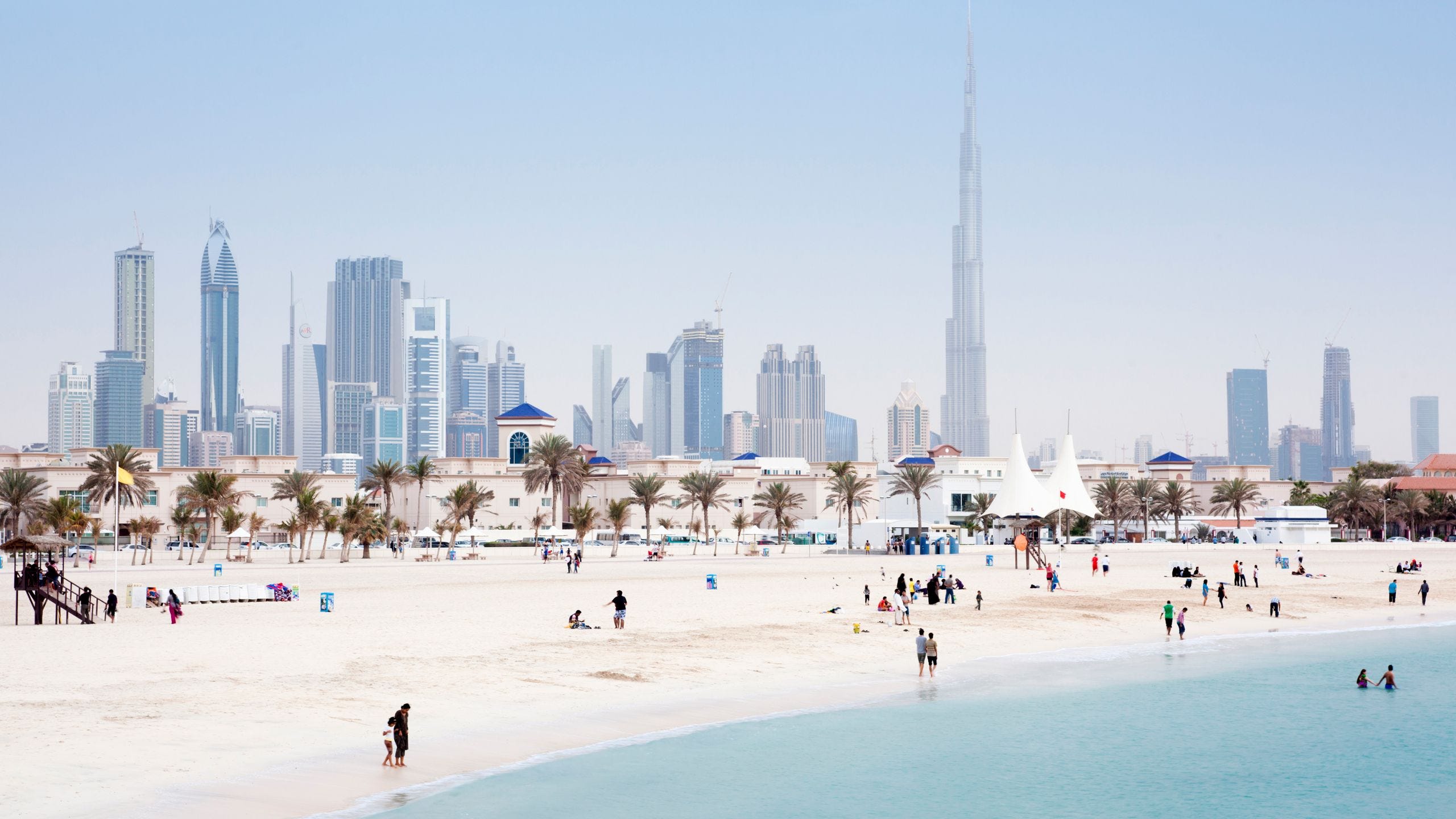
“If the U.S. had Emirati immigration policies, Americans across the political spectrum would acclimate with aplomb.”
What are the odds of the US ever getting to Emirati immigration policy, including no birthright citizenship for children of legal immigrants? I figure 0%, so why even bring it up?
There is no political benefit to stirring up passengers about the inequality, whereas many politicians are delighted to use "inequality" in a variety of guises to agitate the populace for their personal political advantage.