

Last month, I experienced the wonder of Machu Picchu with my sons and their honorary uncle, Fabio Rojas. A peak experience, but it would have been peakier if this famed archaeological site were not grotesquely mismanaged by the Peruvian government. Here are the most glaring flaws with the logistics of Machu Picchu.
The online booking system is terrible. The tours are severely underpriced, so you often have to buy tickets months in advance to avoid missing out. Bizarrely, the system only allows you to buy tickets for the current year, so you can’t buy 2026 tickets in 2025. Which creates a conundrum for anyone who wants to visit Machu Picchu in January. The system’s “solution” is to create an early-January exception to the “current year only” rule — but this exception only activates about a month before New Year. When I read this, I set an alarm to get on the website a few minutes before midnight on December 1, only to discover that “about a month before” started in mid-November. The most desirable tickets were already sold-out, so we had to settle for alternate routes (which were, fortunately, still quite good).
The PeruRail bus-and-train booking system is much better. Tickets aren’t underpriced, so you don’t need to book months in advance. But the app had a bizarre glitch: When you change the number of passengers from the default (1 passenger), the day of the ticket reverts to its default (tomorrow). So after I set the correct day for our tickets, clicking “5 passengers” changed the ticket day to “tomorrow.” I didn’t notice this until I got a PeruRail email two days later congratulating me on my trip! $400 down the drain.
Once you reach Ciudad Machu Picchu, you need timed bus tickets to get to the actual archaeological site. These tickets are moderately underpriced, especially for peak times.
At every stage of the trip, officials keep demanding to see your ticket and passport. The Peruvians love redundant document checks, so I showed our passports over a dozen times for a purely domestic trip. The initial rationale was presumably to prevent resale of underpriced tickets: If the name on your ticket doesn’t match the name on your passport, the ticket is invalid. But the Peruvians have completely lost sight of any initial rationale, so they check every ticket against every passport — even when the tickets are not underpriced.
The best way to make Machu Picchu work like clockwork is, as usual, full privatization. Auction off the whole site — including the railroad — to international investors. In the short run, prices will rise, passport checks will vanish, and hours of operation will double. In the longer-run, cable cars will replace buses, and Ciudad Machu Picchu will get its own international airport. This is plausibly the most amazing archaeological site on Earth, so there’s no reason it shouldn’t be as popular as Disneyland — which gets over ten times as many visitors. Make the experience vastly more convenient, ration with money instead of queuing and aggravation, and all will be well.
That said, I’m painfully aware that no electable Peruvian government will heed my advice to privatize their nation’s crown jewel. But rather than give up, I’ve concocted a much more palatable privatization proposal.
Background: When you journey from Cusco (the closest city with an airport) to Machu Picchu, you start with a bus, then transfer to a train. The transfer point is the town of Ollantaytambo. Most Machu Picchu visitors don’t even see the town, much less its nearby archaeological site.
But that obscure archaeological site, a 15-minute walk from the train station, is absolutely fantastic!
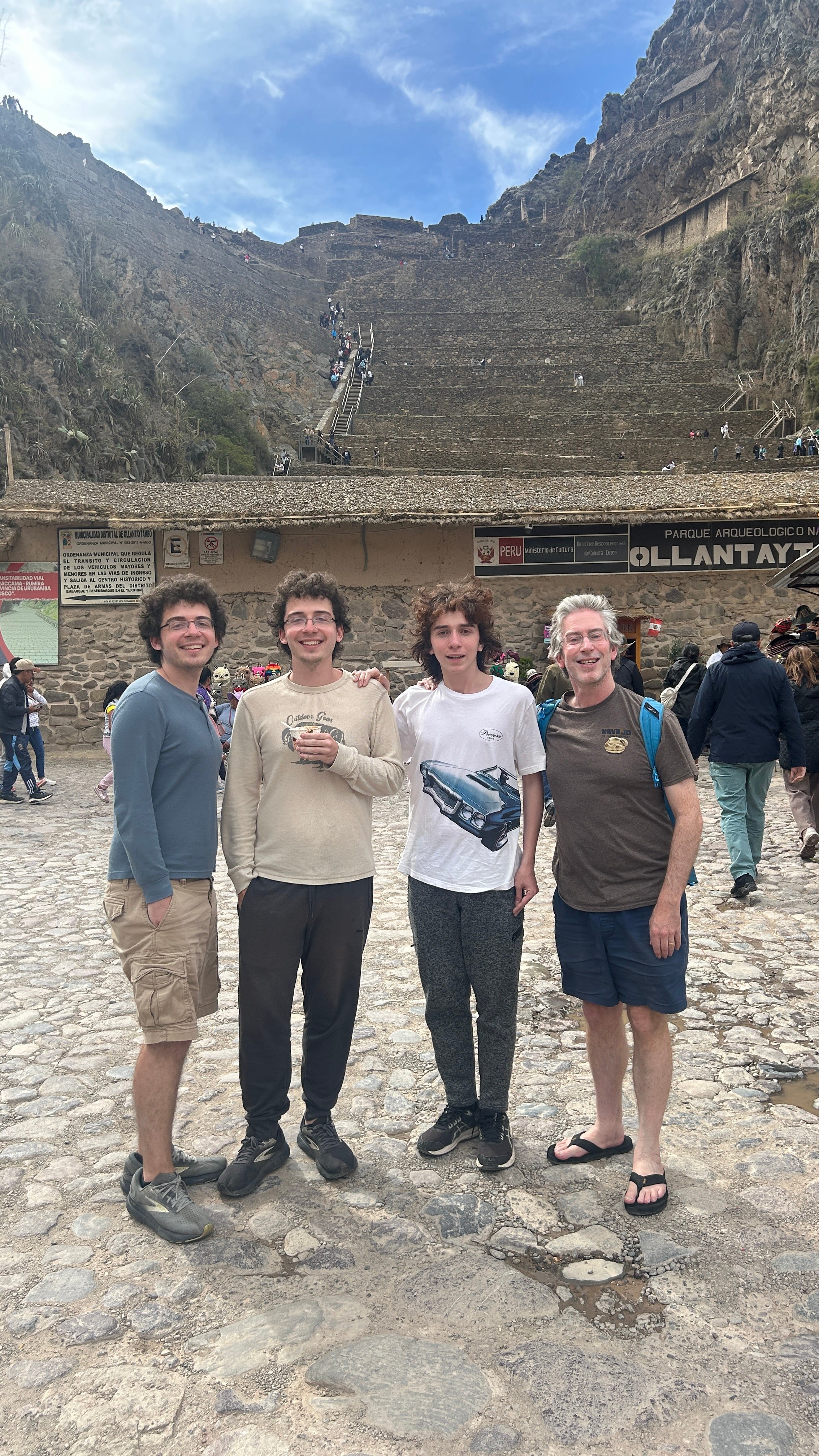
Fantastic — and plagued with the same Kafkaesque logistics as Machu Picchu. One claustrophobic street connects the station to the site, and checking bags is a minor ordeal. Tickets aren’t underpriced, but you have to pay in Peruvian soles. I’m not sure, but I think there was even a passport check.
So here is my proposal: Privatize Ollantaytambo. Auction off the main site, satellite sites, and even the road from the train station to the ticket office. Whatever business wins the auction will almost certainly dramatically improve customer satisfaction while doubling or tripling the total number of visitors.
How, you ask?
Most obviously, a private company would add over-the-top marketing at the train station. Most Machu Picchu visitors who transfer at Ollantaytambo literally have no idea what they’re missing. The station aside, they should be aggressively advertising everywhere that Machu Picchu tourists are likely to see — physically and online.
A private company would conveniently offer a wide range of services right at the train station. Tickets. Bag check. A luxury tram to the site, running every 5 minutes. All conveniently payable with credit cards.
The archaeological site is the heart of the town’s whole economy. Any business that bought the site would have a powerful interest in making the town sparkle. Which would, in turn, allow the new owner to make extra money with luxury accommodations for all the new tourists.
In the medium-run, Ollantaytambo could get its own international airport. Instead of doing the somewhat harrowing bus-and-train combination from Cusco, visitors could fly straight to Ollantaytambo, see its attractions, then hop on the train straight to Machu Picchu, cutting the arduous four-hour trip down to a manageable two. Picture the ads urging visitors to “Witness the glory of Machu Picchu, savor the luxury of Ollantaytambo.”
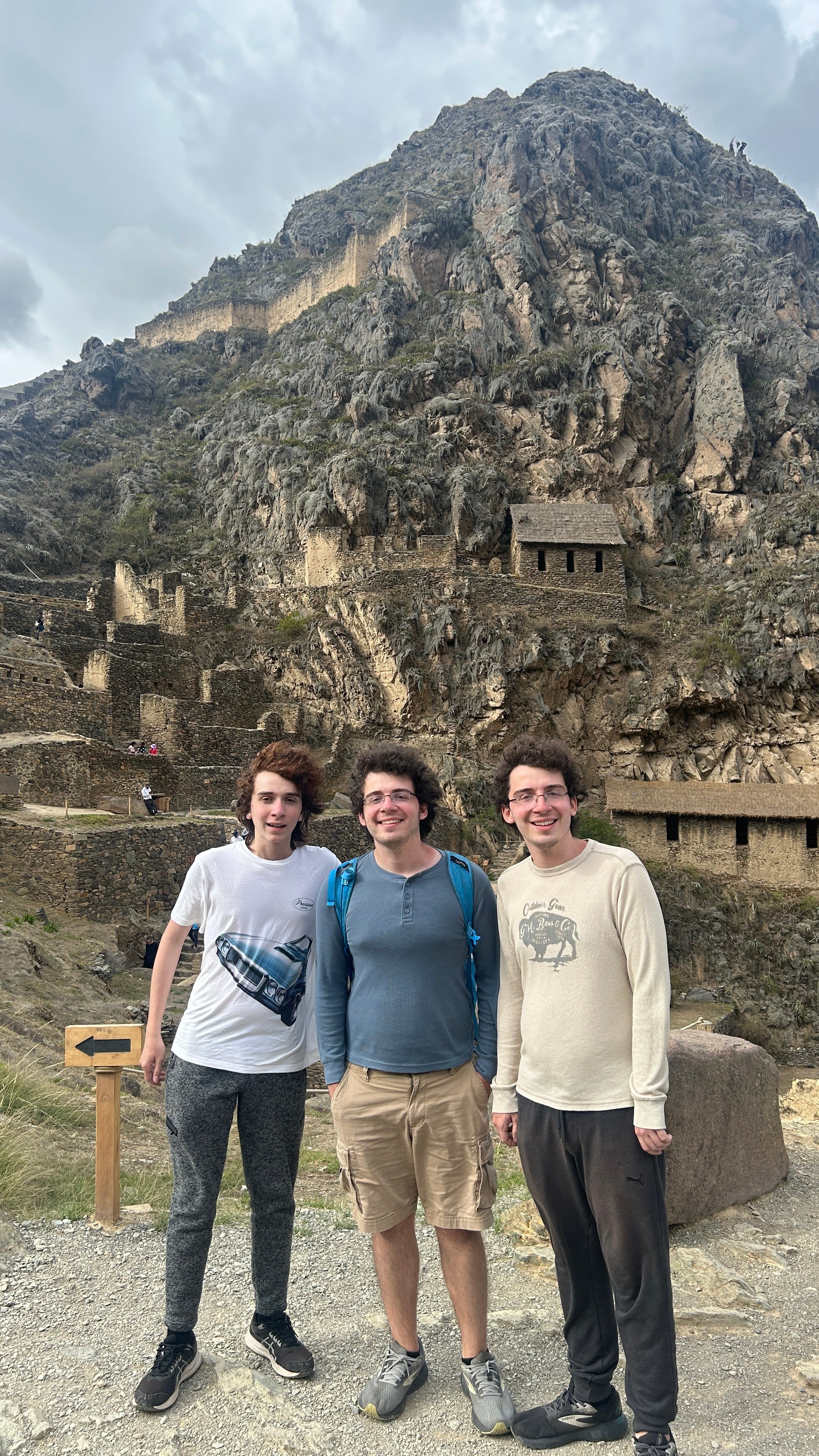
The gains of privatizing Machu Picchu far exceed the gains of privatizing Ollantaytambo. But privatizing world-famous Machu Picchu would provoke a deafening international outcry. Privatizing obscure Ollantaytambo, in contrast, would barely register outside of Peru. Some Peruvians would have knee-jerk nationalist objections, but even I doubt most Peruvians would bitterly object. The main opponents of my plan would probably be local demagogues, but I suspect they could be bought off one way or another. The people of Ollantaytambo would no doubt be apprehensive at first, but the gains would materialize quickly.
Isn’t there a broader agenda? Yes, I freely admit it. I want to privatize Ollantaytambo not merely for the direct benefits, but for the pro-market message it sends. Once privatization triples the town’s GDP in a few years, once the streets are spotless, once they break ground on their new international airport, Ollantaytambo will be the talk of Peru. Why can’t all of Peru’s archaeological sites be so well-run, bringing joy to tourists and riches to locals? Once critics are nervously insisting, “But we shouldn’t privatize Machu Picchu itself,” Peru will finally be having the argument that should have been settled a century ago.
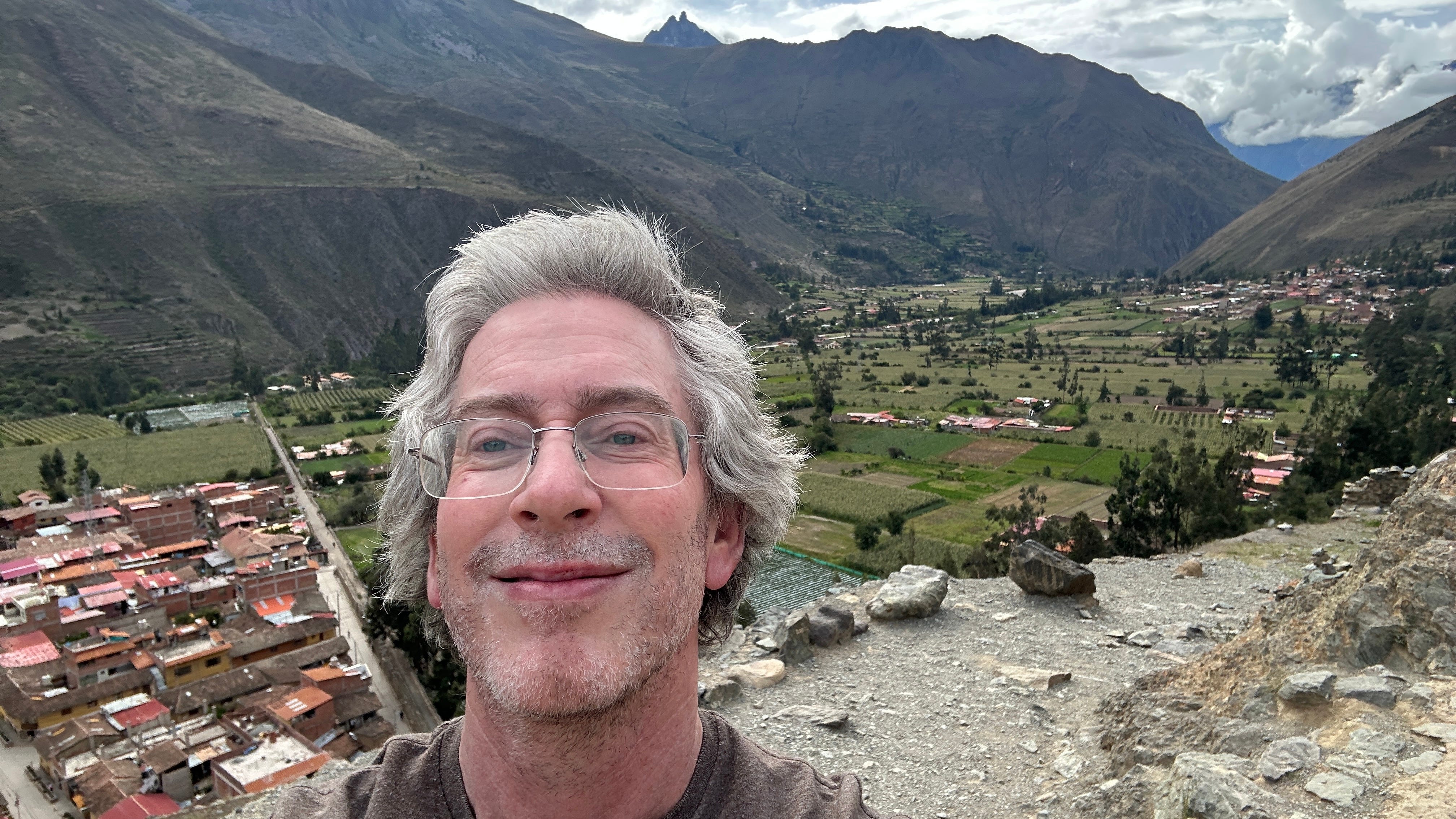
Ollantaytambo can, should, and must be privatized. It must be privatized for the good of the town, for the good of Peru, and the good of humanity. And it must be privatized to light the beacons of hope, progress, and free markets across the Andes. Who is with me?
P.S. If anyone in Ollantaytambo reads this, I’d be happy to return to discuss my idea in person.
I buy all the economic arguments, but please god don’t let economists determine international airport siting. There is a reason Cusco has an airport and nothing up the skinny high altitude valley does and it has nothing to do with money.
Ollyantambo sits around 14000’ according to the map I am looking at. That altitude is above the service ceiling of most unpressurized planes and you would need at least a 2 mile long runway for jets plus a path for climb out, instrument approaches, etc.
You actually can get the experience you describe wanting *today* by doing a privately guided tour-- which we did with our family a few years ago.